How to Respond to Herpes Stigma From Friends or Family
Herpes stigma can be difficult to handle, especially when hurtful comments come from people you know and trust. Friends or family members may have misconceptions about herpes, react emotionally after learning about your diagnosis, or repeat myths they have heard from others. Knowing how to respond to Herpes Stigma can help you protect your confidence while creating opportunities for honest and respectful conversations. A herpes diagnosis does not define your personality, your relationships, or your ability to have a fulfilling life.
Understanding Where Herpes Stigma Comes From
Herpes stigma often develops from misinformation rather than facts. Many people associate herpes with negative stereotypes without understanding how common HSV infections are or how they can be managed. Popular culture and casual conversations can also portray herpes in ways that create unnecessary shame.
Why Friends or Family May React Negatively
A person’s first reaction may come from fear, surprise, or a lack of knowledge. They may not understand the difference between HSV-1 and HSV-2, how herpes is transmitted, or how outbreaks can vary from person to person. Someone may also believe that having herpes says something about a person’s character or sexual behavior.
It can help to remember that their reaction does not determine your worth. You can give someone accurate information without accepting disrespectful comments. Herpes education and awareness can make conversations more productive when people are willing to listen.
Responding Calmly to Hurtful Comments
When someone makes a stigmatizing comment, you do not have to respond immediately with anger or embarrassment. Taking a moment to understand what they are saying can help you decide how much information you want to share.
Correct Misinformation With Simple Facts
If a friend or family member believes something inaccurate about herpes, consider responding with a straightforward explanation. A few clear facts may be enough to correct a misunderstanding. Reliable health information can also be useful if someone wants to learn more about living with herpes.
Set Boundaries Around Disrespect
Education and boundary-setting can work together. You can answer reasonable questions while making it clear that jokes, insults, or judgmental comments are not acceptable.
For example, you might say that you are comfortable discussing herpes when the conversation is respectful, but you will not continue a conversation that involves shaming or personal attacks. Setting a boundary does not mean you are rejecting the person. It means you are protecting your emotional well-being.
Deciding How Much Personal Information to Share
You have control over your health information. Being open about herpes can be helpful in some relationships, but disclosure is a personal decision and should happen at a time and in a way that feels appropriate.
You Do Not Have to Explain Everything
Friends and relatives may ask personal questions after learning about your diagnosis. You can decide which questions you want to answer. You can also say that some details are private.
For example, you might explain what herpes means for you without discussing your dating history or the circumstances surrounding your diagnosis. Herpes disclosure should involve honesty and respect, but it does not require you to provide every personal detail.
Consider the Relationship
Think about whether the person has generally treated you with care and respect. Someone who asks questions because they genuinely want to understand may simply need accurate information. Someone who repeatedly uses your diagnosis to embarrass or criticize you may require stronger boundaries.
Trust can grow through respectful communication, but you are not responsible for convincing everyone to understand your experience.
Handling Herpes Stigma Within the Family
Family reactions can feel especially painful because family relationships often carry emotional importance. A relative may worry about your health, future relationships, or social experiences without fully understanding herpes.
Have a Private Conversation
If possible, discuss sensitive topics privately rather than during a larger family gathering. A calm conversation can reduce embarrassment and give both people an opportunity to speak honestly.
Explain how certain comments affect you and clarify what information you would like them to understand. If the person is willing to listen, share reliable resources about herpes stigma and relationships rather than relying on rumors or social media posts.
Be Clear About Confidentiality
It is reasonable to ask family members not to share your diagnosis with other relatives, friends, coworkers, or acquaintances. Your health information is personal.
You can explain that you trusted them with this information and expect them to respect your privacy. If they continue sharing private information after you have clearly asked them not to, limiting what you discuss with them may be appropriate.
Handling Stigma From Friends
Friendships can also be affected by misunderstandings about herpes. A friend might make an insensitive joke or suddenly treat you differently after learning about your diagnosis.
Explain How Their Behavior Affects You
Some people may not realize that their words are hurtful. A direct conversation can give them an opportunity to change their behavior.
Tell them what specifically bothered you and what you would prefer instead. For example, you can explain that jokes about herpes are not funny to you and that you expect the same respect you would offer them regarding a private health matter.
Recognize When Distance May Be Necessary
Not every friendship will respond positively to an honest conversation. If someone repeatedly mocks you, spreads private information, or uses herpes as a reason to shame you, you can create distance.
Protecting yourself from repeated emotional harm is not the same as being ashamed of herpes. Emotional support for people with herpes can come from trusted friends, supportive communities, counselors, or others who understand the experience.
Building Confidence After a Stigmatizing Experience
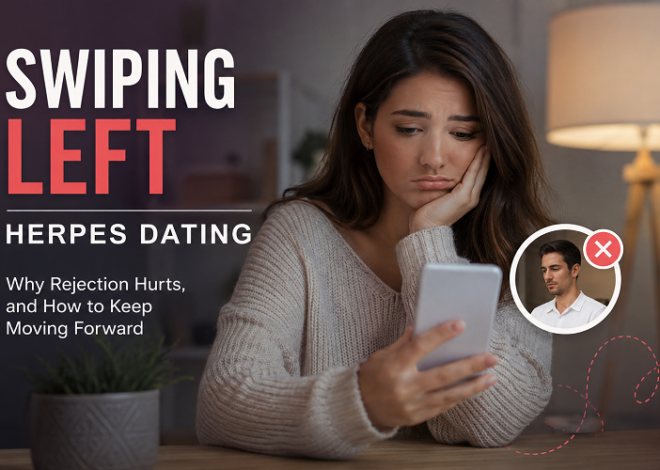
A negative reaction from someone else can sometimes make you question yourself. Remember that a diagnosis is only one part of your health history. It does not determine whether you are worthy of friendship, love, respect, or meaningful relationships.
Focus on Accurate Information
Learning about HSV can make it easier to answer questions and challenge misconceptions. Understanding transmission, symptoms, testing, treatment options, and prevention strategies can also help you feel more comfortable discussing herpes when you choose to do so.
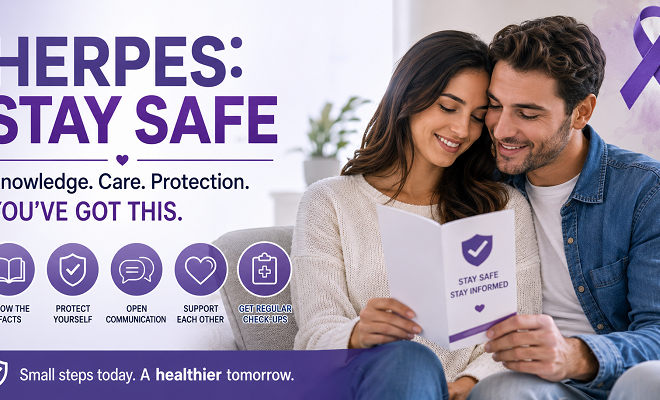
Reliable information can replace fear with a more realistic understanding of the condition. Herpes Awareness is valuable not only for people living with HSV but also for friends, relatives, and partners.
Find People Who Treat You With Respect
Supportive relationships can make difficult experiences easier to manage. Look for people who listen without judging, respect your privacy, and allow you to be honest without turning your diagnosis into your identity.
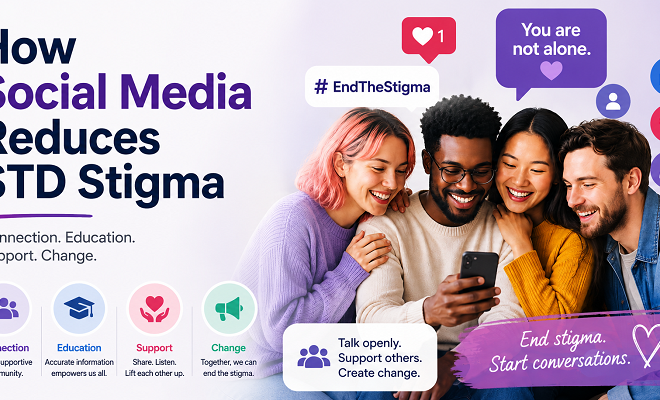
You can also connect with people who have personal experience with HSV. Talking with others can remind you that you are not alone and that people with herpes can maintain friendships, date, form relationships, and enjoy everyday life.
When a Conversation Does Not Go Well
Sometimes you may provide accurate information and still encounter judgment. You cannot control another person’s beliefs or reactions. What you can control is how much access they have to your personal information and how you respond to disrespect.
If a conversation becomes insulting, it is okay to end it. You can simply say that you are not comfortable continuing the discussion while being judged. Overcoming herpes stigma is not about convincing every person to agree with you. It is about challenging misinformation, protecting your dignity, and refusing to let stigma define your life.
FAQs About Responding to Herpes Stigma
Should I correct every person who makes a herpes joke?
No. You can decide when a response is worth your time and energy. If the comment comes from someone you trust, explaining why the joke is harmful may help. If the person is intentionally trying to embarrass you, ending the conversation may be a better choice.
What should I do if a family member tells other people about my herpes?
Tell them clearly that your diagnosis is private and that you did not give permission for them to share it. Ask them to stop discussing your health information with others. If they continue, consider limiting the personal information you share with them.
Must I disclose herpes to all my friends?
No. Friends do not automatically need to know your private medical information. Disclosure is different from general education. You can talk about herpes awareness without revealing your own diagnosis.
How should I respond when someone says herpes means I am irresponsible?
You can calmly explain that herpes is a common viral infection and that a diagnosis does not provide a complete picture of someone’s character or personal life. If the person refuses to listen, you do not have to continue defending yourself.
Should I avoid dating because of herpes stigma?
A herpes diagnosis does not mean you have to give up on dating or relationships. Honest communication, safer-sex practices, and mutual respect can be part of healthy relationships. Learning about dating with herpes can help you approach conversations with greater confidence.
Can herpes affect my friendships?
Herpes itself does not determine the quality of a friendship. However, stigma and misinformation can create tension. Strong friendships can often handle difficult conversations when both people are willing to communicate respectfully.
Final Thoughts
Responding to Herpes Stigma from friends or family starts with remembering that your diagnosis does not define who you are. You can correct misinformation, answer questions, establish boundaries, and protect your privacy without feeling obligated to explain every part of your personal life. The people who genuinely care about you should be able to learn, listen, and treat you with respect. Building confidence through accurate information and supportive relationships can make it easier to handle difficult conversations and move forward without allowing stigma to control your identity.