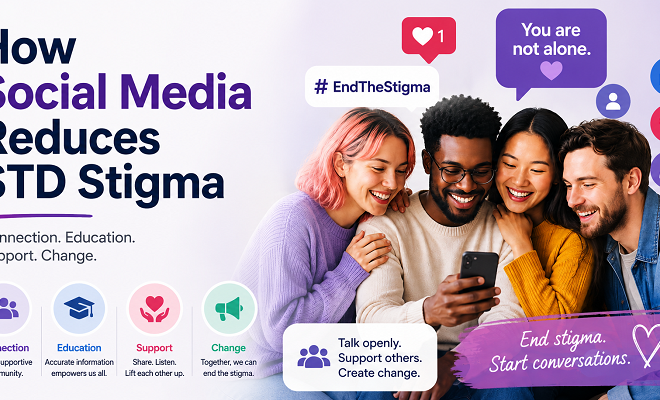
Hot Girls Have Herpes Too: Let’s Normalize the Skin Bug
Herpes does not have a specific appearance, personality, lifestyle, or social status. Attractive, confident, successful women can have herpes just like anyone else. The idea that herpes only affects certain types of people creates unnecessary stigma and misinformation. In reality, Herpes Simplex Virus (HSV) is widespread, and many people do not know they have it because symptoms can be mild or absent.
Understanding this helps put herpes into perspective. A diagnosis is a health matter, not a judgment about someone’s character, attractiveness, or choices.
Herpes Does Not Have a Certain Look
You cannot tell whether someone has herpes by looking at them. A person may have HSV and have completely normal-looking skin. Others may experience occasional blisters, sores, itching, tingling, or discomfort.
The World Health Organization reports that billions of people worldwide have HSV-1, while hundreds of millions have HSV-2. Many infections remain undiagnosed because symptoms can be absent or difficult to recognize.
This is why herpes stigma often comes from assumptions rather than facts. Someone’s appearance cannot tell you their sexual health history.
Attractive People Can Have HSV Too
The phrase “hot girls have herpes too” challenges the stereotype that people with herpes should fit a particular image. They do not.
A woman with HSV can be fashionable, athletic, ambitious, funny, confident, romantic, or successful. Her diagnosis does not remove any of these qualities.
Herpes is simply one part of a person’s health history.
Understanding Herpes Without Shame
HSV-1 and HSV-2 are the two main types of herpes simplex virus. HSV-1 commonly causes oral herpes, although it can also cause genital infection. HSV-2 is more commonly associated with genital herpes.
Genital herpes is a lifelong infection, but that does not mean someone will experience symptoms continuously. Some people have occasional outbreaks, while others have few or no noticeable symptoms.
For people managing genital herpes, learning about symptoms and treatment can make everyday life easier. Antiviral medicines such as acyclovir, famciclovir, and valacyclovir may be prescribed to manage outbreaks or reduce recurrence.
There is currently no cure that removes HSV from the body, but the infection can be managed.
Herpes Is Not a Character Judgment
A herpes diagnosis does not tell you whether someone is responsible, trustworthy, attractive, or worthy of a relationship.
HSV can spread through intimate skin-to-skin contact, including when visible symptoms are not present. This means someone can acquire herpes without knowing when transmission occurred.
That is one reason blaming people for their diagnosis is unhelpful.
Living with herpes can involve understanding the infection, recognizing symptoms, discussing sexual health with partners, and following appropriate medical advice.
Dating With Herpes
A herpes diagnosis can initially make dating feel more complicated. People may worry about rejection, disclosure, intimacy, or how a potential partner will react.
Those concerns are understandable, but HSV does not mean someone has to stop dating.
For people interested in Dating With Herpes, communication is an important part of building trust. Before sexual contact, partners can discuss HSV, protection, symptoms, testing, and personal boundaries.
A potential partner may have questions. Giving them accurate information can help both people make informed decisions.
How to Talk About Herpes With a Partner
Disclosure does not have to feel like a dramatic confession. It can be a straightforward health conversation.
You can explain that you have HSV, whether it is oral or genital, whether you experience outbreaks, and what steps you take to reduce transmission risk.
You do not need to apologize for having a virus.
HSV disclosure is about giving a potential partner relevant information before intimacy so both people can make informed choices.
Reducing Herpes Transmission Risk
Herpes can be transmitted even when there are no visible symptoms, although the risk is generally higher when symptoms or sores are present.
People with HSV can talk with a healthcare professional about ways to reduce transmission. Depending on the situation, these may include avoiding sexual contact during outbreaks, using condoms, and considering suppressive antiviral medication.
Condoms can lower the risk of transmission but cannot completely eliminate it because HSV can affect areas of skin that condoms do not cover.
Understanding herpes transmission risk is more useful than relying on myths or assumptions.
Confidence After a Herpes Diagnosis
A diagnosis can affect someone’s confidence, particularly when they have previously heard negative or inaccurate messages about herpes.
However, a diagnosis does not change who someone is.
Your personality, appearance, interests, career, friendships, goals, and ability to form meaningful relationships do not disappear because of HSV.
For people exploring herpes dating sites, it can be helpful to focus on platforms and communities that encourage respectful communication, privacy, accurate information, and healthy boundaries.
Finding Support and Reliable Information
Support can make the adjustment easier. A healthcare professional can answer medical questions, while trusted friends or supportive communities may help with the emotional side of dating and disclosure.
Herpes support should encourage accurate information rather than fear or shame.
Reliable health organizations such as the CDC and WHO are useful sources for information about symptoms, treatment, transmission, and prevention.
Normalize the Conversation
Normalizing herpes does not mean ignoring its health considerations. It means talking about HSV without unnecessary embarrassment or judgment.
People should understand how herpes is transmitted, what symptoms may look like, how treatment works, and how transmission risk can be reduced. At the same time, a diagnosis should not become a reason to label or shame someone.
Herpes awareness is stronger when it is based on facts.
The more people understand that HSV can affect anyone, the easier it becomes to challenge stereotypes.
Herpes Does Not Cancel Attraction
Someone with herpes can still be attractive, confident, romantic, successful, and desirable.
Health conditions do not determine someone’s value. People living with HSV have different personalities, relationships, careers, interests, and experiences.
For anyone considering STD dating, sexual health should be treated as part of responsible communication rather than a source of shame.
The goal is not to pretend herpes does not matter. The goal is to understand it accurately and discuss it respectfully.
Frequently Asked Questions
Can attractive women have herpes?
Yes. HSV can affect people regardless of appearance, age, lifestyle, or social status. Many people have few or no noticeable symptoms.
Can you date if you have herpes?
Yes. People with herpes can date and have relationships. Honest communication, informed consent, safer-sex practices, and medical guidance can help partners make informed decisions.
Is genital herpes lifelong?
Yes. Genital herpes remains in the body, but symptoms can be managed. Some people experience recurring outbreaks, while others have few or no noticeable symptoms.
Can herpes spread without symptoms?
Yes. HSV can sometimes be transmitted when no visible sores are present. The risk is generally higher during an outbreak.
Can herpes be treated?
Yes. Antiviral medicines can help manage outbreaks and may reduce how often they occur. They do not remove HSV from the body.
Should you disclose herpes to a partner?
If sexual or intimate contact is being considered, discussing HSV beforehand allows both people to understand the situation and make informed decisions.
Do condoms prevent herpes?
Condoms can reduce the risk of herpes transmission but cannot completely eliminate it because HSV can affect areas outside the skin covered by a condom.
Does having herpes mean someone made bad choices?
No. HSV is widespread, and many people do not know they have it. A diagnosis should not be treated as a judgment about someone’s character or choices.
Final Thoughts
Hot girls have herpes too. So do confident women, successful professionals, athletes, mothers, creatives, and people from every walk of life. The important message is simple: herpes does not define attractiveness or worth. By replacing stereotypes with accurate information, people can approach Herpes Stigma with greater understanding. HSV may be part of someone’s health story, but it does not have to control their confidence, relationships, or future.