From Panic to Passion: Finding Real Love After HSV
An HSV diagnosis can bring fear, confusion, and uncertainty about dating. You may wonder whether someone will accept you, how to disclose your status, or whether a meaningful relationship is still possible. These concerns are understandable, but HSV does not define your personality, value, or ability to experience love. With accurate information, honest communication, and self-confidence, Dating With Herpes can become less stressful. HSV is one part of your health, not the complete story of who you are.
Understanding HSV and Dating
HSV Does Not Define You
After receiving an HSV diagnosis, it is easy to focus on the possibility of rejection. You may start believing that your dating life has permanently changed. However, having HSV does not take away your qualities or your ability to form emotional connections.
Many people live with HSV, and some may not know they have it because symptoms can be mild or absent. Genital herpes can be managed with medication, although there is currently no cure. Understanding the condition can help replace fear with realistic expectations.
Learn the Facts
Knowledge can make conversations about HSV dating easier. HSV can be transmitted through sexual contact, including when visible symptoms are not present. Condoms can reduce transmission risk but cannot eliminate it completely. Avoiding sexual contact during outbreaks or warning symptoms can also reduce risk.
A healthcare professional can provide information about symptoms, testing, treatment, and prevention based on your individual circumstances.
Rebuilding Your Confidence
Give Yourself Time
You do not need to return to dating immediately after diagnosis. Give yourself time to understand HSV and process your feelings. Learning about your condition can make future conversations more comfortable.
You may also find it helpful to write down common questions you expect a potential partner to ask. Preparing simple answers can reduce anxiety when the time comes for HSV disclosure.
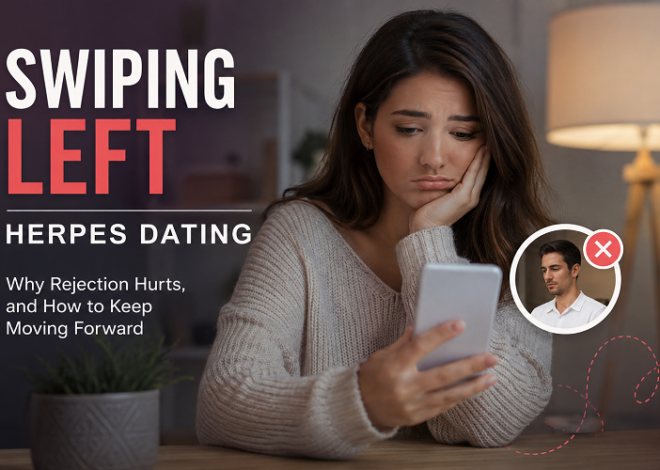
Rejection Does Not Define Your Worth
Disclosure can sometimes lead to different reactions. A potential partner may have questions or may decide they are not comfortable with the risks involved. Their decision is about their personal boundaries and circumstances.
Dating already involves different preferences, expectations, and relationship goals. HSV does not determine your overall value as a person.
Returning to the Dating World
Take Dating at Your Own Pace
There is no single correct way to start dating after an HSV diagnosis. You can meet people through friends, social activities, online platforms, or dating communities. Some people also feel more comfortable using services where conversations about sexual health are more open.
The important thing is to focus on getting to know someone rather than immediately worrying about whether HSV will determine the outcome.
Look Beyond HSV
Herpes and relationships involve much more than sexual health. Pay attention to communication, kindness, emotional maturity, shared interests, boundaries, and relationship goals.
A potential partner should have the opportunity to know your personality rather than seeing you only through your diagnosis.
How to Talk About HSV
Be Honest and Direct
Disclosure does not need to feel like a dramatic confession. Before becoming sexually intimate, explain your status clearly and give the other person an opportunity to ask questions.
You might say that you have HSV, explain whether you experience outbreaks, and mention the steps you take to reduce transmission risk. Keeping the conversation calm and factual can make it easier for both people.
Give Your Partner Time
A partner may need time to process the information. They may ask about transmission, outbreaks, medication, or protection. You do not have to answer every medical question from memory.
If you are unsure about something, encourage them to speak with a healthcare professional or use reliable medical resources. The CDC recommends open communication about STIs before sexual activity so partners can make informed decisions.
Building Intimacy After Disclosure
Trust Develops Over Time
Disclosure is only the beginning. If someone responds positively, continue building the relationship naturally. Talk about interests, values, expectations, affection, and personal boundaries.
Dating After Herpes should not become a relationship where every conversation revolves around HSV. Your connection can include humor, shared experiences, emotional support, romance, and everyday life.
Practice Safer Intimacy
People living with genital herpes can discuss ways to reduce transmission with their partners and healthcare providers. Strategies may include avoiding sexual contact during outbreaks, using condoms, and considering antiviral treatment when medically appropriate.
Daily suppressive antiviral therapy can reduce the risk of HSV-2 transmission in certain circumstances. A healthcare professional can explain whether treatment is suitable for you.
Creating a Positive Dating Mindset
Focus on Your Strengths
Healthy relationships with HSV begin with seeing yourself as more than your diagnosis. Think about what you bring to a relationship. You may be caring, funny, loyal, thoughtful, ambitious, supportive, or adventurous.
These qualities remain valuable regardless of your HSV status.
Stop Expecting Rejection
Constantly anticipating rejection can make dating feel exhausting. Instead, approach each new connection as an opportunity to learn about another person.
You cannot control how someone responds to disclosure, but you can control whether you communicate honestly and respectfully. That approach allows both people to make informed choices.
Finding Real Love After HSV
Love Can Grow From Honesty
Finding love after HSV is not about pretending the diagnosis does not exist. It is about creating relationships where health, intimacy, and personal boundaries can be discussed openly.
A strong relationship does not require two people to have identical experiences. It requires respect and communication. Partners can learn about HSV together and decide what precautions work for them.
Let Passion Return Naturally
Love after herpes can feel different when fear is no longer controlling your decisions. As confidence grows, you may become more comfortable enjoying dates, affection, conversations, and emotional closeness.
You do not need to rush into a relationship simply to prove that HSV has not changed your life. Allow connections to develop at a healthy pace.
Moving From Panic to Confidence
Your Future Is Bigger Than Your Diagnosis
Dating with HSV may require conversations that you did not expect to have before your diagnosis. But those conversations can also encourage honesty and trust.
HSV does not decide whether you can fall in love, build intimacy, or have a committed relationship. Your future contains many experiences beyond your health status.
The journey from panic to passion starts with education, self-acceptance, and honest communication. When you understand HSV and become comfortable discussing it, dating can feel less like a test and more like an opportunity to connect with another person.
FAQs About Finding Love After HSV
1. Can I find real love after an HSV diagnosis?
Yes. HSV does not prevent people from forming romantic, emotional, or long-term relationships. Honest communication and mutual understanding can help couples build trust.
2. When should I disclose HSV?
Disclosure should happen before sexual activity. This gives both people an opportunity to discuss the situation and make informed decisions.
3. Can I date someone who does not have HSV?
Yes. People with HSV may date partners who do or do not have HSV. Partners should understand transmission risks and discuss prevention.
4. Can HSV spread without symptoms?
Yes. HSV can sometimes be transmitted when there are no visible sores or other symptoms. This is why understanding transmission and prevention is important.
5. Can condoms prevent HSV transmission?
Condoms can reduce the risk of transmission but cannot eliminate it because HSV can affect areas not covered by a condom.
6. Can medication help manage HSV?
Yes. Antiviral medicines can help manage outbreaks, and suppressive treatment may reduce transmission risk in certain situations. Discuss treatment options with a healthcare professional.
7. What if someone rejects me after disclosure?
Rejection can hurt, but it does not determine your worth. People have different boundaries and levels of comfort with health risks. Continue focusing on respectful and honest connections.
8. Should I only date people with HSV?
No. Some people prefer partners who also have HSV, while others date people without HSV. There is no single approach that works for everyone.
9. How can I feel more confident about dating after HSV?
Learn reliable information, understand your treatment options, prepare for disclosure conversations, and remember that HSV is only one part of your identity. Confidence often grows with knowledge and experience.
Final Thoughts
An HSV diagnosis can change how you approach dating, but it does not have to end your romantic life. Dating With Herpes becomes easier when you understand the facts, respect your own boundaries, and communicate openly with potential partners.
You deserve to be known for the whole person you are. HSV may be part of your story, but it does not have to write the ending.