
Herpes Support Groups in Georgia: Local and Online HSV Communities

A herpes diagnosis can bring many emotions, including confusion, anxiety, frustration, and isolation. While herpes is one of the most common viral infections worldwide, many people still struggle with stigma and misinformation.
The good news is that herpes support groups in Georgia can provide understanding, education, friendship, and encouragement. Connecting with others who share similar experiences often helps people feel less alone and more confident about relationships, disclosure, and everyday life with HSV.
Whether you’re looking for emotional support, practical advice, community connections, or dating opportunities, local and online herpes communities can help you move forward with confidence.
Why Herpes Support Groups Matter
For many people, the emotional impact of herpes can feel more challenging than the physical symptoms.
According to the World Health Organization (WHO), approximately 3.8 billion people under age 50 are living with HSV-1 globally, while an estimated 520 million people aged 15 to 49 have HSV-2. Despite these numbers, stigma and misunderstandings continue to affect millions of people.
Support groups create a safe environment where members can:
- Share personal experiences
- Discuss disclosure concerns
- Learn coping strategies
- Build friendships
- Receive relationship advice
- Gain confidence after diagnosis
Many participants report that simply talking with people who understand HSV helps reduce feelings of shame and isolation.
Finding Georgia Herpes Support Groups
The internet has become a valuable resource for connecting with herpes support groups and finding information about herpes in Georgia. Here are some online resources to help you in your search:
Numerous websites and online platforms are dedicated to providing information about herpes and facilitating connections with support groups. Websites like “PositiveSingles” and “hsvbuddies” are excellent places to start your search for Georgia Herpes Support Groups. Here’s how you can utilise these websites:
1. PositiveSingles 
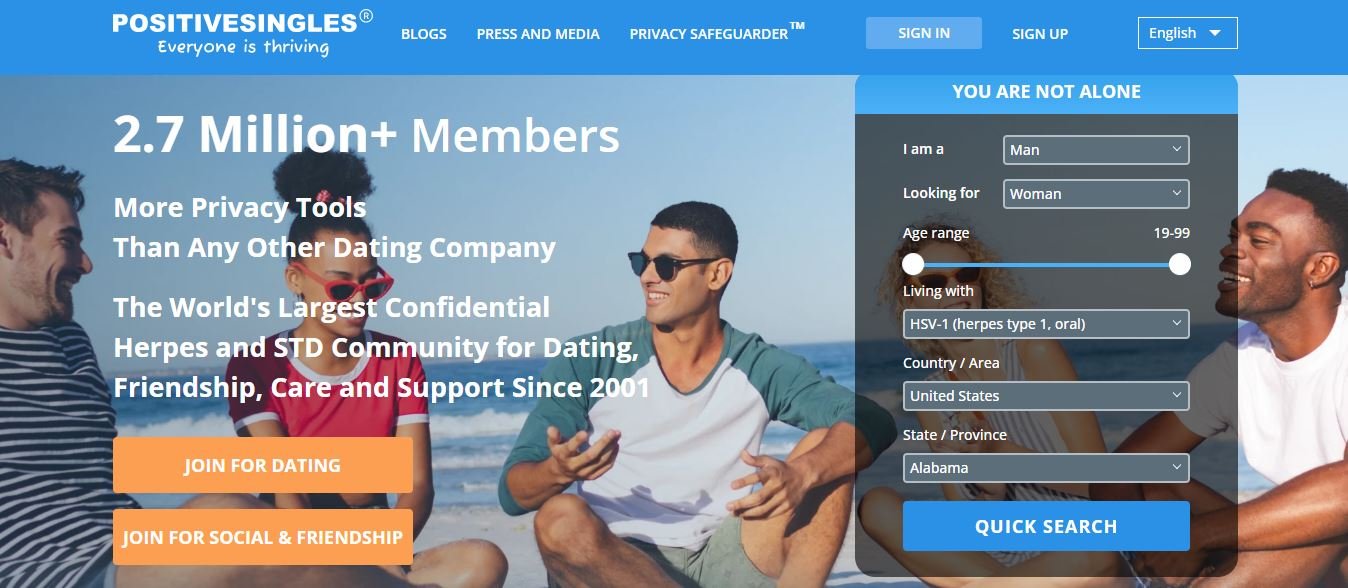
PositiveSingles is a widespread herpes dating and support website. While primarily focused on dating, it also offers a community and forum section to discuss herpes support groups in Georgia. You can create a free account and use their search features to find local groups and events.
Online resources can be beneficial in your quest to find Georgia Herpes Support Groups. One such valuable resource is PositiveSingles, a widely recognised herpes dating and support website. While its primary focus is on dating, PositiveSingles also features a vibrant community and forum section that can aid you in locating discussions about herpes support groups in Georgia.
Within PositiveSingles, you can access a community and forum where members discuss various topics related to herpes, including support groups. This section often includes threads or posts about local herpes support groups and events in Georgia.
2. Hsvbuddies

Hsvbuddies is another platform for individuals with herpes. It provides a forum where you can connect with others and discover information about local support groups in Georgia. Signing up is usually free; you can search for groups in your region.
In addition to PositiveSingles, another valuable platform for individuals with herpes support and information about local groups is HSVbuddies. HSVbuddies provides a forum-style platform where you can connect with others and access information about herpes support groups in Georgia.
HSVbuddies is a platform designed to connect individuals living with herpes, and its forum section can be a valuable resource for those information about local support groups in Georgia. It provides a space to interact with others, share insights, and access information about nearby resources.
Top Georgia Herpes Support Groups & Resources
Georgia offers a variety of local and online HSV support options that provide education, emotional support, and community connections.
1. Atlanta Herpes Support Communities
As Georgia’s largest city, Atlanta has the most active support network.
- Peer-led support groups with confidential discussions
- HSV education workshops covering disclosure, outbreaks, and mental health
- Virtual meetups serving Atlanta, Marietta, Decatur, and nearby areas
2. Savannah & Coastal Georgia Support Networks
- Small peer-support groups focused on emotional well-being
- Community wellness events covering sexual health and relationships
- Online support options for coastal residents
3. Augusta & East Georgia Resources
- Community and clinic-based support discussions
- Educational sessions led by health professionals
- Online forums connecting residents across the region
4. Macon, Columbus & Middle Georgia Communities
- Wellness groups focused on coping skills and confidence building
- Virtual support networks offering flexible participation
- Peer discussions about dating, disclosure, and daily life with HSV
5. Athens & North Georgia Support Options
- Young adult and university-area support communities
- Resources for newly diagnosed individuals
- Online groups serving Athens, Gainesville, Lawrenceville, Alpharetta, and surrounding areas
Whether you prefer local meetings or online communities, Georgia residents have access to support networks that can help reduce isolation and provide practical guidance for living with HSV.
Expert Perspectives on Living With HSV
Sexual health educators and relationship counsellors consistently emphasise that herpes is a manageable medical condition and does not define a person’s worth.
Many psychologists note that self-stigma can be more harmful than the diagnosis itself. Building confidence, learning accurate information, and developing strong communication skills often improve both emotional well-being and dating experiences.
Relationship experts also emphasize that successful relationships depend on:
- Trust
- Respect
- Communication
- Shared values
- Emotional compatibility
A herpes diagnosis is only one small part of a person’s overall identity.
A Diverse HSV Community
People living with herpes come from every age group, profession, background, and lifestyle.
Support groups often include:
Young Adults
Many young adults want guidance on disclosure, dating, and adjusting to a recent diagnosis.
Single Parents
Single parents often look for emotional support, friendship, and relationship advice.
LGBTQ+ Community Members
LGBTQ+ individuals frequently prefer inclusive environments where they can discuss both sexual health and relationship concerns.
Working Professionals
Professionals often appreciate flexible and private support options that fit busy schedules.
Seniors
Many adults over 50 discover herpes later in life and benefit from connecting with peers who understand their experiences.
Diverse Cultural Backgrounds
Georgia’s diverse population includes people from many ethnic, cultural, and religious backgrounds, creating varied and welcoming support communities.
Frequently Asked Questions
Are there herpes support groups in Georgia?
Yes. Georgia residents can access both local and online herpes support communities that provide education, encouragement, and peer support.
Is herpes common in Georgia?
Herpes is extremely common throughout the United States and around the world, affecting millions of people.
Are online herpes support groups private?
Most online communities offer privacy features and anonymous participation options.
Can support groups help with dating?
Many people report that support groups improve confidence, communication skills, and disclosure conversations.
Do I need symptoms to join a support group?
No. Support groups are generally open to anyone living with HSV, regardless of symptoms.
Conclusion
In this comprehensive guide, we have explored the world of Georgia Herpes Support Groups, emphasising their significance in the lives of singles living with herpes. The stigma, fear of disclosure, and the burden of managing the condition can take a toll on one’s well-being.
We’ve provided you with a list of Georgia Herpes Support Groups, each offering a unique community of individuals who understand your journey.
Don’t hesitate to reach out, attend a meeting, or participate in an online discussion. You are not alone on this journey. Your path to healing and empowerment begins here.